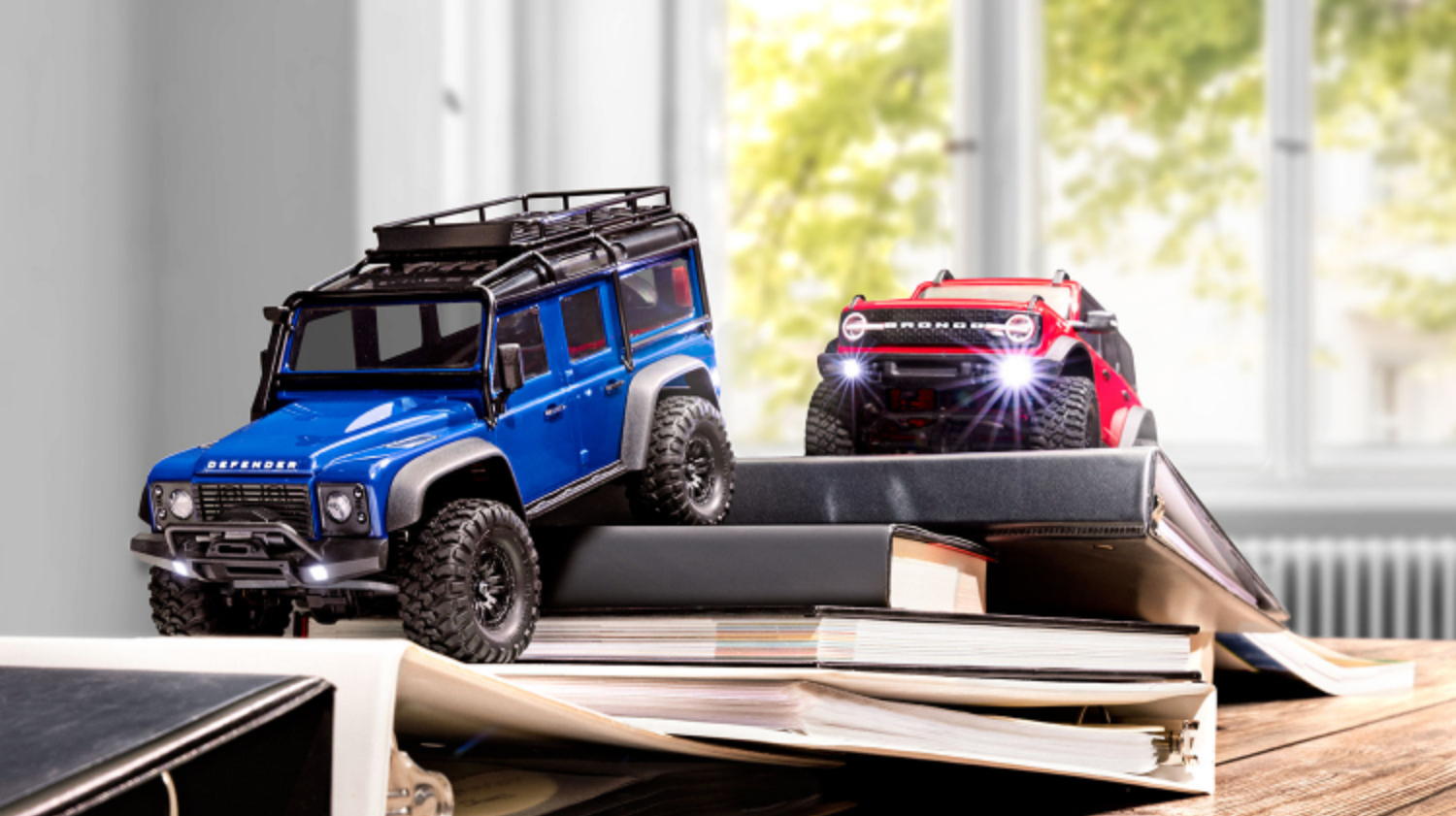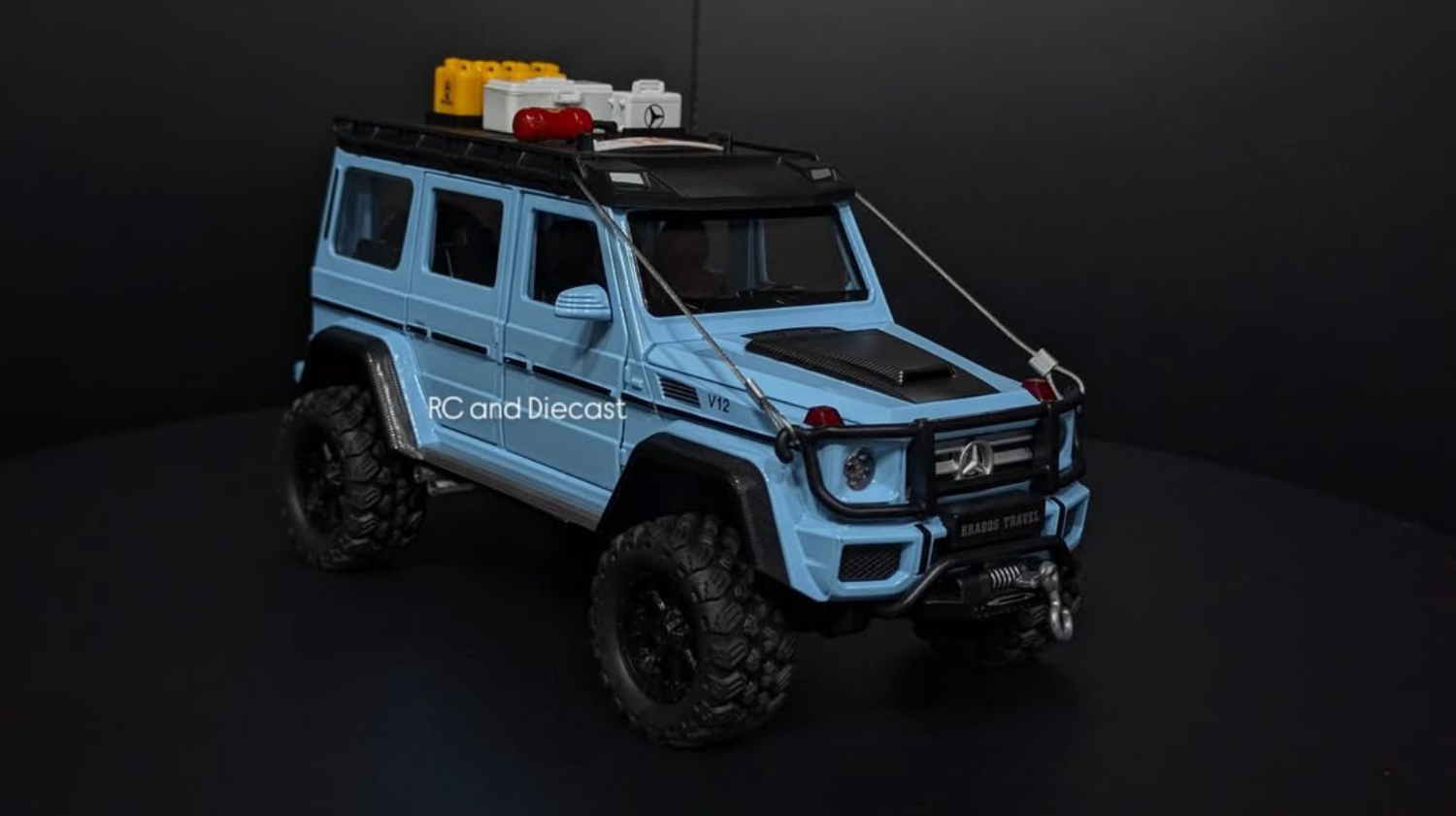
The first thing most people get wrong about diecast cars is calling them toys. Some are. But a well-made diecast replica — especially at 1:18 scale — is closer to a museum piece than a plaything. Understanding what diecast actually means changes how you see every model on a shelf, every collector's display case, and every price tag that seems baffling until you understand what went into making the thing.
What "Diecast" Actually Means
Diecast refers to a specific metal casting process. Molten metal — almost always a zinc-aluminium alloy called Zamak — is injected under high pressure into precision steel moulds called dies. The dies are machined to tolerances of a fraction of a millimetre, which is why the resulting castings can reproduce the curves, panel lines, and proportions of a full-size car at a fraction of the size.
The "die" in diecast is the mould — not the material. You can diecast aluminium, zinc, lead (in older models), and various alloys. Modern diecast car bodies use Zamak primarily because it's dimensionally stable, takes paint well, and is economical to cast in volume.
"A good diecast model holds the same proportions as the real car. That's not easy — it requires access to the manufacturer's design data. The brands that get it right charge accordingly."
Scales Explained: 1:18, 1:24, 1:64
Scale tells you the ratio between the model and the real vehicle. A 1:18 scale model is one-eighteenth the size of the actual car. That means a 4.5-metre Land Rover Defender becomes a 25cm model. Here's how the common scales break down:
| Scale | Approx. Model Length | Detail Level | Typical Price (India) |
|---|---|---|---|
| 1:64 | 7–9 cm | Body shape + colour. Minimal interior. | ₹200 – ₹800 |
| 1:43 | 9–12 cm | Good detail. Opening parts rare. | ₹600 – ₹3,000 |
| 1:32 | 13–16 cm | Pull-back mechanisms common. Good for kids. | ₹300 – ₹1,500 |
| 1:24 | 17–21 cm | Opening doors, detailed interior. | ₹1,000 – ₹5,000 |
| 1:18 | 25–30 cm | Premium. Opening hood, boot, real rubber tyres. | ₹2,500 – ₹20,000+ |
The sweet spot for most Indian collectors is 1:24 or 1:18. At 1:18, you get enough space for manufacturers to include working steering, a detailed engine bay, real rubber tyres, and often stitched leather seats at a miniature scale.
What Separates Good Diecast from Great
Walk into any toy shop in India and you'll find shelves of diecast models priced from ₹150 to ₹200. Then walk into a serious hobby store and you'll find the same basic idea — a metal model car — going for ₹8,000 to ₹15,000. What's the actual difference?
- Licensing: Premium brands pay for the actual design drawings from the automobile manufacturer. Cheap models don't — they copy from photographs, which introduces proportion errors.
- Die complexity: A cheap body might be two castings. A quality 1:18 might have 50+ separate parts.
- Paint process: Quality models use multi-stage painting with actual automotive finishes. Cheap ones use single-coat spray with no clear coat.
- Rubber tyres vs plastic: Real compound rubber tyres are a major quality indicator. Plastic tyres are always a compromise.
- Functional elements: Opening bonnet, boot, and doors with actual hinges — not press-fit panels.
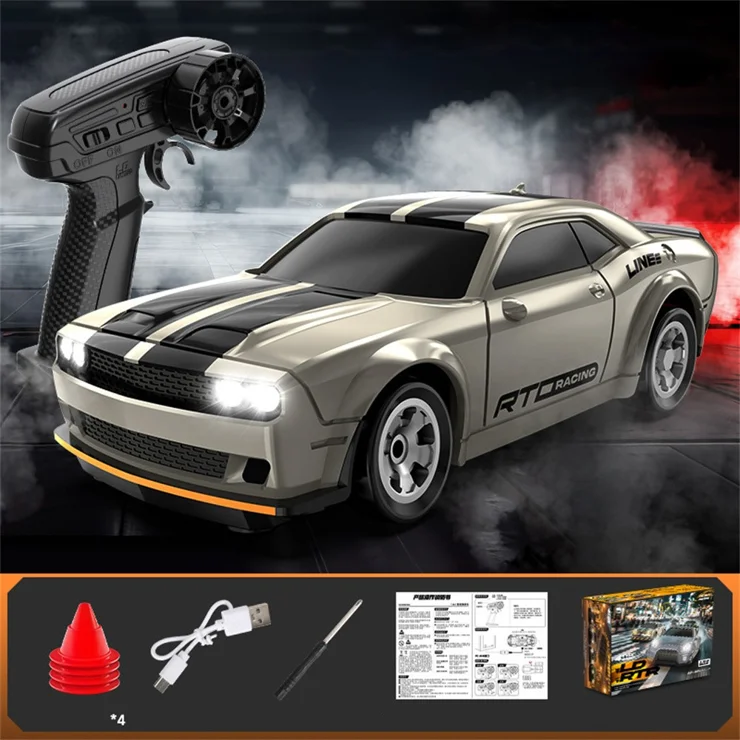
Even at 1:64 scale, well-executed diecast has genuine character
Diecast in India: Why It's Growing
Diecast collecting in India was niche until about 2018. Since then, it's grown significantly — driven partly by social media communities and partly by a generation of Indian car enthusiasts who grew up watching Top Gear and Formula 1 but can't afford (or aren't old enough for) the real thing.
The emotional connection is real. A 1:18 scale Land Rover Defender in a specific shade of green that your grandfather used to drive — that's not a toy. That's something else. Browse our showroom collection to see some of the best diecast and scale model options currently available in India.
The growing resale market is another factor. Limited editions of iconic cars — Brabus-modified G-Wagons, classic Defenders, muscle cars from the 60s and 70s — have appreciated measurably in value, especially when kept in original packaging. More on that in our guide on diecast as an investment.
Frequently Asked Questions
What does diecast mean?
Diecast refers to a manufacturing process where molten metal (usually a zinc-aluminium alloy called Zamak) is injected under high pressure into precision steel moulds. The result is a highly detailed, dimensionally accurate metal body — the structural shell of the model car.
What scale diecast should I start with?
1:36 or 1:32 is the best starting point — affordable, widely available in India, and detailed enough to be satisfying. For display pieces, 1:18 is the premium standard with opening doors, detailed engines, and real rubber tyres. 1:64 (Hot Wheels scale) is excellent for collection variety at low cost.
Are diecast cars worth buying in India?
Yes — both as hobby items and as collectibles. Licensed replicas of iconic cars hold value well. Limited editions and discontinued models from brands like Maisto, Bburago, and AUTOart have appreciated significantly over 5–10 years when kept in good condition with original packaging.